 AceHawky
AceHawky
AceHawky
Choosing a Rangefinding Crossbow Scope is not simply a matter of selecting the highest magnification. Global buyers face different terrain, weather, regulations, and shooting habits. This guide introduces ten leading options through a practical, evidence-minded comparison. Each model will be considered for ranging consistency, glass clarity, reticle design, battery behavior, mounting stability, and ease of adjustment.
Randy Wakeman, a longtime crossbow equipment writer, offers a useful reminder: “A scope cannot replace proper shooting form.” That principle shapes this review. A bright reticle may look impressive indoors, yet perform poorly under a gray forest canopy. A rangefinder may display a precise number, but an unstable mount can still produce a disappointing result. Small details matter.
The following selections are intended for responsible, lawful use. Buyers should confirm local regulations before purchasing or using any optical accessory. We will also consider practical differences between open fields, dense woodland, and changing mountain light. Some conclusions may remain imperfect. Product performance can vary between users, crossbows, and environmental conditions. That is worth admitting.
No single model fits everyone. A compact scope may suit mobile users, while a heavier unit may offer better controls and durability. Battery access, eye relief, and reticle visibility deserve equal attention. The goal is not to promise flawless accuracy. It is to help readers make a clearer, safer, and more informed decision.
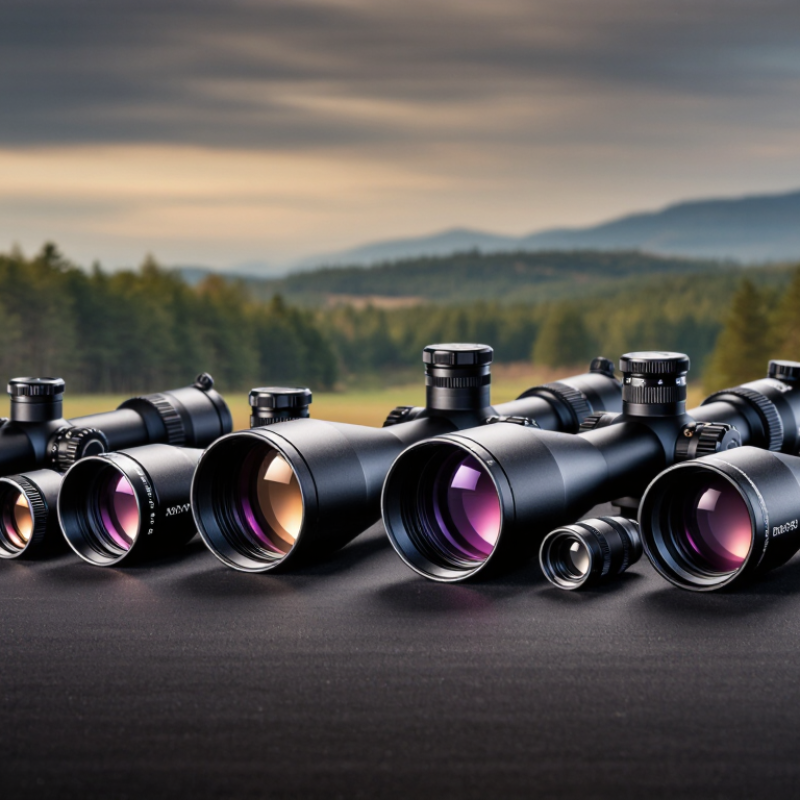
A rangefinding crossbow scope combines optical aiming with electronic distance measurement. That combination defines its practical value. Grand View Research’s 2024 Archery Equipment Market Analysis valued the global market at about US$3.1 billion in 2023. However, market growth does not prove measurement accuracy. A professional scope should show distance clearly, compensate for angle, and maintain a stable aiming point. Optical clarity matters at dawn, when targets appear against grey backgrounds. Field testing should compare readings across 20, 40, and 60 metres. Repeatability is essential.
Tips: Check local regulations before purchase or use. Choose metres or yards according to your normal range. Test battery life in cold conditions. Confirm the reticle remains visible without excessive brightness. Waterproof sealing, shock resistance, and simple controls improve reliability during rain or gloved use. Laser safety information should follow IEC 60825-1 guidance. Legal requirements differ between countries, regions, and hunting seasons.
A useful evaluation should record distance error, ranging speed, display visibility, and calibration changes. Independent testing adds credibility, especially when manufacturers provide limited technical detail. I would not treat one perfect reading as proof of quality. Small errors become significant when a bolt travels beyond ordinary practice distances. Angle compensation can also confuse new users. Read the manual carefully, then verify results with a separate measuring device. Precision is helpful, but disciplined practice remains part of the equipment.
| Rank | Scope Configuration | Magnification & Objective |
Rangefinding Method | Usable Range | Reticle Type | Tube Diameter | Eye Relief | Illumination | Typical Battery | Weather Protection | Best For |
|---|---|---|---|---|---|---|---|---|---|---|---|
| 1 | Laser-Assisted Hunting Scope | 1.5–5×32 mm | Integrated laser rangefinder | 10–300 yd reflective targets | Illuminated ballistic holdover | 30 mm | Approx. 3.5 in | Red and green | CR2 or equivalent | IPX6–IPX7 | Long-range hunting in changing weather |
| 2 | Five-Point Ballistic Reticle Scope | 1.5–5×32 mm | Fixed-distance holdover marks | 20–100 yd calibrated range | Multi-line crossbow reticle | 1 in | Approx. 3.4 in | Red | CR2032 | Fog- and water-resistant | Simple field use without electronic ranging |
| 3 | Compact Illuminated Rangefinding Scope | 1.5–4×32 mm | Stadia rangefinding reticle | 20–100 yd | Four-line ballistic reticle | 1 in | Approx. 3.2 in | Red and green | CR2032 | Water-resistant | Compact crossbows and limited-visibility shooting |
| 4 | High-Contrast Daylight Scope | 3×32 mm | Fixed holdover reference marks | 20–100 yd calibrated range | Duplex crossbow reticle | 1 in | Approx. 3.6 in | Non-illuminated | Not required | Shock- and water-resistant | Bright daytime shooting and low maintenance |
| 5 | Variable-Power Hunting Scope | 1.5–5×40 mm | BDC-style holdover reticle | 20–100 yd | Illuminated multi-aimpoint | 30 mm | Approx. 3.5 in | Red | CR2032 | IPX6-rated design | Users who want magnification flexibility |
| 6 | Low-Light Illuminated Scope | 1.5–5×32 mm | Range-calibrated stadia marks | 20–100 yd | Fine illuminated ballistic reticle | 1 in | Approx. 3.3 in | Red and green | CR2032 | Fog-proof and water-resistant | Dawn, dusk, and shaded woodland conditions |
| 7 | Lightweight Travel Scope | 3×32 mm | Fixed-distance ballistic marks | 20–80 yd | Three- or five-point reticle | 1 in | Approx. 3.0 in | Optional red | CR2032 or equivalent | Water-resistant | Travel, compact setups, and recreational use |
| 8 | Extended-Eye-Relief Scope | 1.5–4×32 mm | Rangefinding holdover reticle | 20–100 yd | Multi-aimpoint reticle | 1 in | Approx. 4.0 in | Red | CR2032 | Shock- and water-resistant | High-energy crossbows and safer eye positioning |
| 9 | Fast-Focus Multi-Range Scope | 1.5–5×32 mm | Ballistic reticle with range marks | 20–100 yd | Fast-acquisition illuminated reticle | 1 in | Approx. 3.4 in | Red and green | CR2032 | Water- and fog-resistant | Quick target acquisition and moving field conditions |
| 10 | Entry-Level Calibrated Scope | 4×32 mm | Basic multi-distance reticle | 20–80 yd | Non-illuminated crossbow reticle | 1 in | Approx. 3.0 in | Non-illuminated | Not required | Basic water resistance | Entry-level buyers and target practice |
It combines optical aiming with electronic distance measurement. The display shows range while the reticle helps guide aiming. Practical value depends on accuracy and repeatability.
Test readings at 20, 40, and 60 metres. Compare each reading with a separate measuring device. Record errors, speed, visibility, and calibration changes.
No. One perfect reading proves very little. Repeat the test under different light and distances. Small errors matter at longer ranges.
Choose clear markings, simple controls, and readable numbers. Long sightlines expose small aiming mistakes. Bright reticles help during changing light.
Strong low-light contrast is useful among branches and shadows. A compact scope may be easier to manage. Range several nearby trees before settling.
Steep angles and uneven ground can confuse distance estimates. Angle compensation may help, but users must understand its display. Practice on safe targets first.
Look for waterproof sealing and textured adjustment rings. Test battery life in cold conditions. Check the battery before every outing. Rain changes visibility.
Check local rules before purchase or use. Requirements vary by region, season, equipment, and ethical distance. Follow applicable laser-safety guidance. A scope cannot replace judgment.
A Rangefinding Crossbow Scope combines optical magnification with distance-measuring technology to help users estimate target range and select a more suitable aiming reference. This article explains how rangefinding systems work with crossbows, including the role of laser measurement, reticles, trajectory compensation, and display clarity. It also outlines the main features to compare among the top ten options, such as accuracy, effective range, battery performance, weather resistance, eye relief, mounting compatibility, and ease of adjustment.
The guide also considers which scope characteristics may suit open fields, wooded areas, changing light, or varied terrain. In addition, it covers essential mounting and calibration steps, emphasizing stable installation, careful verification, routine maintenance, and responsible use. Readers are encouraged to follow local laws, respect land and wildlife regulations, identify targets clearly, and use crossbow equipment only in safe, lawful, and appropriate settings.
