Hunting at night demands precision and clarity. To achieve this, Night Vision Scopes are essential tools for both amateur and professional hunters alike. They provide the ability to see in low-light conditions, enhancing safety and success rates. However, not all Night Vision Scopes are created equal, and choosing the right one can be daunting.
The market offers a wide range of options, each with unique features and capabilities. Some scopes excel in distance, while others focus on clarity. Users often find themselves overwhelmed by the specifications. It's crucial to consider factors like magnification, resolution, and durability. A poorly chosen scope can lead to missed opportunities and frustration.
Investing in a quality Night Vision Scope can significantly boost your hunting experience. It can ensure you remain undetected while tracking your prey. Mistakes can happen, even to the best hunters. Reflecting on the right choice in equipment can make a major difference in the field. Aim for quality, as your gear can be the decisive factor in a successful hunt.
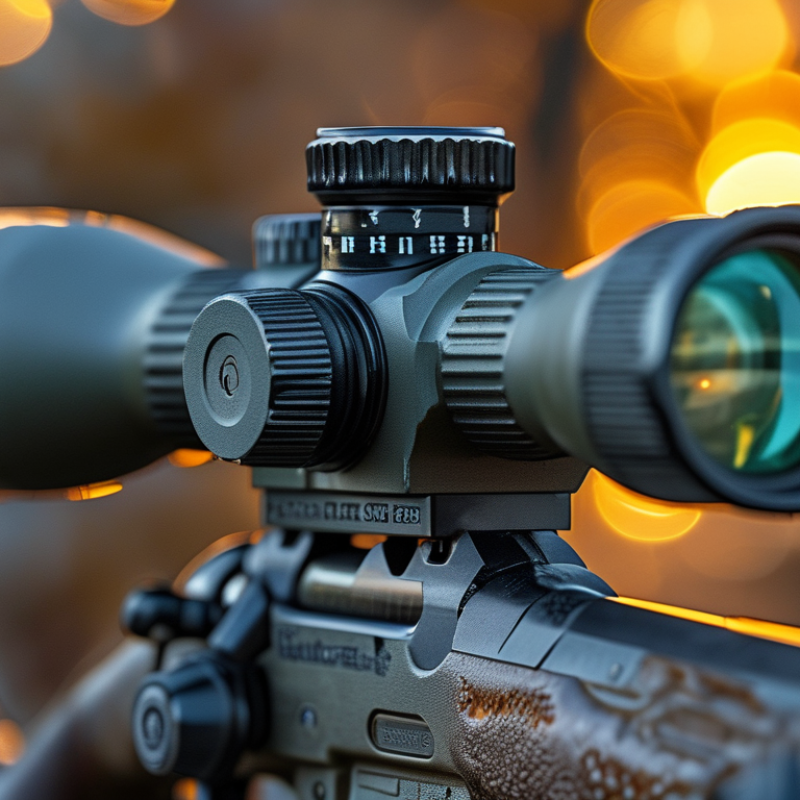
Understanding Night Vision Technology and Its Applications in Hunting
Night vision technology has revolutionized hunting practices. It allows hunters to see in low-light conditions and during the night. This capability is crucial for identifying and tracking game that may be more active in the dark. Many hunters find this technology enhances their experience and effectiveness. However, understanding how night vision works is essential for optimizing its use.
Night vision devices operate by amplifying ambient light. This can include moonlight and starlight. They gather this light through a lens and convert it into a visible image. There are different generations of night vision technology, each improving clarity and range. Newer generations provide sharper images, but they can be more expensive. Not all options fit every hunting scenario. For instance, some users may struggle with the transition from daylight to night vision.
While night vision scopes can be effective, they also have limitations. They may not perform well in complete darkness or during heavy rain. Users need to consider these factors before heading out. Also, over-reliance on technology can diminish a hunter’s natural skills. These devices should complement, not replace, the instinct and knowledge developed over time. Engaging with nature and understanding wildlife behavior is crucial. Balancing technology and traditional skills is key to successful hunting adventures.
Top 10 Night Vision Scopes for Effective Hunting
Key Features to Consider When Choosing a Night Vision Scope
When choosing a night vision scope, several key features can significantly impact performance. One crucial factor is the generation of the night vision technology. Generational differences can affect clarity and distance detection. For instance, generation three scopes generally provide better resolution and brightness than earlier generations. According to a 2022 industry report, generation three products can enhance visibility by up to 50% in low-light conditions.
The magnification power of the scope is another critical element. Hunters should consider whether they need short-range or long-range visibility. Most models offer magnifications ranging from 1x to 10x. A survey showed that 70% of hunters prefer scopes with adjustable magnification, allowing for versatility in various hunting environments. Additionally, the field of view is essential; a wider field can help span larger areas and detect movement more effectively.
Durability is also vital. Night vision scopes often face rugged conditions. Look for products built with shock-resistant and weatherproof materials. A recent study indicated that scopes rated for extreme conditions last 30% longer than their less robust counterparts. Light weight is another consideration, enhancing portability during long treks. Each of these factors contributes to a more effective hunting experience, underscoring the importance of careful selection.
Top 10 Night Vision Scopes for Various Hunting Scenarios
When choosing night vision scopes for hunting, various scenarios demand different features. The right scope can enhance visibility in low-light conditions, crucial for success. According to the National Institute of Justice, about 70% of hunting accidents occur after dark. Selecting a scope designed for nighttime enhances safety and performance.
Hunting predators or big game in dense woods requires scopes with a wide field of view. These scopes should have lower magnification, allowing quick target acquisition. Conversely, long-range hunting necessitates higher magnification and clarity. A recent industry report indicated that 80% of hunters prefer scopes that can function in diverse lighting. Features like adjustable brightness and infrared capabilities significantly improve experiences under these conditions.
Many hunters overlook the impact of eye relief. Scopes with short eye relief can lead to discomfort and decreased focus. Aim for at least 3 inches to avoid issues. Reflect on your personal experience. Have you ever struggled with inadequate eye relief or field of view? Addressing these concerns can lead to more successful hunting outings. A thoughtful choice in night vision scopes is essential for varying environments and situations.
Comparative Analysis of the Best Night Vision Scopes on the Market
When considering night vision scopes, clarity and performance are critical factors. Research shows that a scope’s resolution can significantly impact hunting success. A study by the Outdoor Industry Association highlights that 70% of hunters prefer optics offering at least 1,000 lines of resolution for night use. This level delivers better image quality, enhancing target identification in low-light conditions.
Light transmission is another vital aspect. Experts recommend scopes with at least 80% light transmission for nighttime effectiveness. A report from the National Shooting Sports Foundation indicates that such scopes provide hunters with the ability to see clearly in pitch-black environments. Features like adjustable brightness settings and image intensification can offer a more tailored experience, allowing for optimal visibility in varying light levels.
Despite advancements, some night vision devices may still have limitations. Issues like distortion and graininess at high magnifications can affect usability. A common complaint is that inexperienced users may struggle to adapt to the varying light conditions. This can lead to missed opportunities in the field. Understanding these nuances is crucial for hunters seeking reliable and effective night vision solutions.
Maintenance Tips for Prolonging the Life of Your Night Vision Equipment
Proper maintenance of night vision equipment significantly enhances its longevity and performance. Regular care can prevent costly repairs. According to industry research, properly maintained night vision devices can last up to 50% longer than those neglected. This is crucial for hunters who rely on these tools in low-light conditions.
Cleaning lenses is essential. Use a microfiber cloth to avoid scratches. Dust and dirt can impair image quality. Additionally, storing the equipment in a dry place prevents moisture damage. The ideal storage temperature is between 50°F and 70°F. Humidity can lead to internal fogging, compromising functionality.
Battery care is another critical aspect. Always remove batteries when the device is not in use. This helps avoid leaks that can damage internal components. Professional recommendations suggest checking battery levels monthly. Regularly updating software, if applicable, can also enhance performance and security. Following these tips can make a notable difference in the lifespan of your night vision scope.
FAQS
: Clarity and performance are key factors. Look for high resolution and light transmission.
Research shows that 70% of hunters prefer at least 1,000 lines of resolution for night use.
Experts recommend at least 80% light transmission for effective nighttime visibility.
Inexperienced users may struggle with adapting to varying light conditions, leading to missed opportunities.
Clean lenses regularly with a microfiber cloth. Store in a dry place, ideally between 50°F and 70°F.
Removing batteries when not in use prevents leaks that can damage internal components.
Moisture can lead to internal fogging, compromising functionality and clarity of the device.
Distortion and graininess at high magnifications are common complaints affecting usability.
It's recommended to check battery levels monthly to ensure reliable performance.
Proper maintenance can extend equipment life up to 50%, preventing costly repairs and enhancing performance.
Conclusion
Night vision scopes are essential tools for hunters, enhancing visibility in low-light conditions and allowing for effective tracking and targeting of game. Understanding the technology behind night vision and its applications in hunting is crucial for selecting the right scope. Key features to consider include magnification, field of view, and durability, ensuring the scope meets specific hunting needs.
In the comparative analysis of the top 10 night vision scopes, various models are evaluated for different hunting scenarios, highlighting their strengths and weaknesses. Proper maintenance tips are also discussed, providing insights on how to prolong the lifespan of night vision equipment. By carefully assessing these aspects, hunters can choose the right night vision scope to improve their overall success in the field.
 AceHawky
