
AceHawky AceHawky

Top Crossbow Range Scopes for Better Accuracy

Time:2026-11-08 Author:Madeline
0%

Choosing a Crossbow Range Scope is about more than magnification or a long list of features. A clear reticle, suitable eye relief, and dependable adjustment controls can make aiming easier in the field. Crossbows also have a distinct trajectory, so a scope must match the bow’s speed and the distances you intend to practice. A setup that looks precise on paper may still need careful adjustment.

Small details count. Check whether the reticle markings suit your equipment, and confirm the manufacturer’s stated mounting and calibration guidance. At the range, use a steady rest, a clearly marked target, and consistent shooting distances. Record each adjustment. Then verify your point of impact before relying on the setup. Conditions matter.

This guide compares scope features that affect practical accuracy, including optical clarity, magnification, reticle design, and construction. It also considers ease of zeroing and whether the controls are usable with gloves or changing light. Product specifications and user impressions can help narrow a shortlist, but neither replaces testing with your own crossbow. No scope removes the need for practice, safe handling, or sound judgment. Even a well-reviewed model can be a poor fit. The best choice is the one that works reliably with your equipment and helps you make repeatable shots within your practiced range.
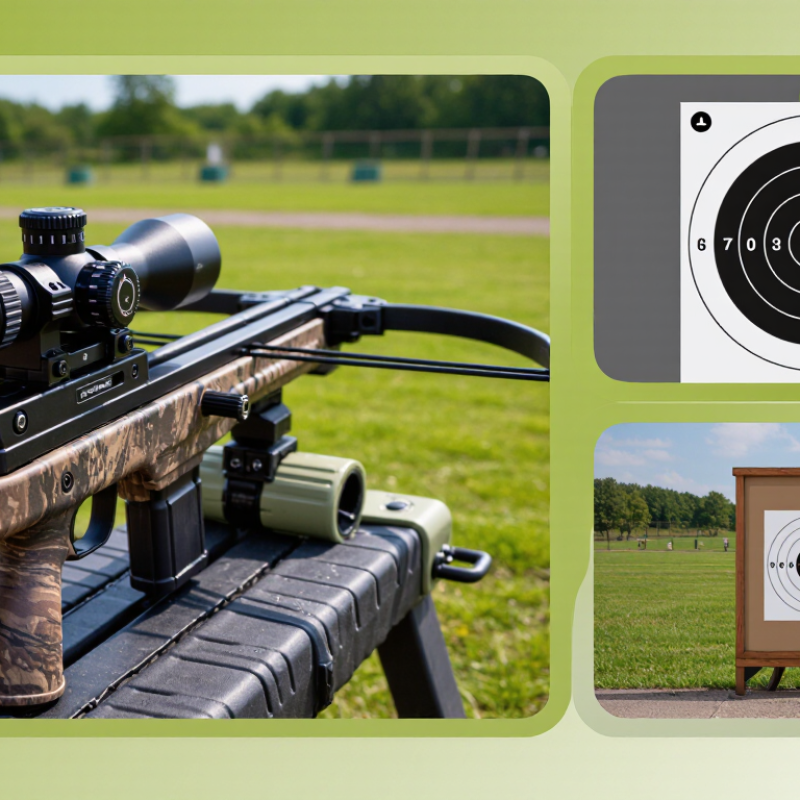
Top Crossbow Range Scopes for Better Accuracy

Understanding Crossbow Range Scopes and Their Role in Accuracy

A crossbow range scope helps translate distance into a more consistent aiming reference. Many models use marks or reticles for different ranges, but those references depend on the crossbow’s setup. Bolt weight, launch speed, and scope height can all affect where a bolt lands. A mark that works at 30 yards may not match another setup. Small differences matter.

Accuracy comes from matching the scope to the equipment, then checking that match at a safe, measured range. Follow the scope and crossbow manufacturers’ instructions, and confirm each aiming mark on a stable target. Keep notes on distance and impact point. If bolts group high or low, adjust only as the instructions allow, then test again. I’ve found that careful records reveal patterns, though one session can still mislead. Wind, uneven footing, or a rushed shot can change results.

Tips: Use a rangefinder rather than guessing distance. Check that mounting screws are secure. Practice from a steady position, and stop if the reticle shifts or the scope feels loose.

Key Features to Compare When Choosing a Crossbow Scope

Top Crossbow Range Scopes for Better Accuracy

When comparing crossbow scopes, start with the reticle and its range marks. These marks are useful only when they suit your crossbow’s speed, bolt weight, and sight height. Check the scope instructions and confirm the setup at a safe, controlled range. Small details matter. A clear reticle should remain easy to see against both a dark tree line and a bright target.

Magnification, eye relief, and durability also deserve attention. More magnification can help you inspect a distant target, but it may narrow your field of view or make a steady image harder to maintain. Comfortable eye relief helps you keep a consistent position behind the scope. Look for a scope built to handle ordinary bumps and changing weather, and check that its mounting system fits your crossbow. It is easy to overvalue extra features; a simple, readable sight may be more useful.

Tips: Confirm zero with the exact bolts you plan to use, then test each marked distance rather than assuming the reticle is calibrated for your setup. Keep a small range card with verified settings. Recheck after changing bolts or adjusting the mount.

Popular Scope Types for Different Crossbow Setups

Fixed-power crossbow scopes suit hunters who want a simple, repeatable sight picture. Their multiple aiming marks can correspond to different distances, but only when matched to the bolt speed and the scope’s calibration. Variable-power scopes offer more flexibility for changing distances, though extra magnification can make alignment less forgiving. Red-dot sights provide a clean, fast aiming point at closer ranges, but lack the distance-specific marks of many crossbow reticles. Choose based on your setup, not the number of features. Small differences matter.

Tips: Confirm the reticle’s stated speed range against your crossbow’s actual setup. Check eye relief and mount stability, then verify each aiming mark at a safe practice range. A printed speed rating is not a guarantee of matching trajectory.

The U.S. Fish and Wildlife Service’s 2022 National Survey of Fishing, Hunting, and Wildlife-Associated Recreation estimated 14.4 million hunters aged 16 and older in the United States. That broad participation spans varied equipment and conditions; it does not establish one scope type as universally more accurate. Record your bolt weight, measured speed, and confirmed distances. Recheck after changing bolts or mounts. It is easy to trust a neat reticle too much.

How to Mount, Zero, and Calibrate a Crossbow Scope

Mounting and zeroing matter more than a crowded reticle. Choose a scope rated for your crossbow, then follow its manual for rail position and screw torque. Keep the bow uncocked and unloaded while mounting. Center the scope with a comfortable eye position; a full, clear sight picture should appear without stretching. Tighten fasteners evenly. Small alignment errors can shift impacts downrange.

Tips: Use a stable rest and a suitable backstop. Start at the distance specified by the scope maker. Fire a small group, not one arrow, before adjusting. Move the reticle according to the adjustment markings, then record each change. Wear eye protection, and keep others behind the firing line.

After the initial zero, confirm it at the distances you expect to use. Change only one variable at a time, such as distance or point of aim. Reticle marks may not match your setup exactly; arrow weight and actual speed can affect their usefulness. Recheck fasteners and zero after transport or a hard bump. Even a careful setup can drift, so keep notes and verify rather than assuming yesterday’s settings still hold.

Practical Techniques for More Consistent Aim and Shot Placement

A crossbow scope helps only when it is mounted securely and matched to the bow’s setup. Check that the rings are snug, the reticle appears level, and your eye has a clear view without shifting your cheek. Use a stable bench rest while sighting in; small changes in shoulder pressure can move a group. Keep the target area clear and use a reliable backstop.

Slow down.

At a measured distance, shoot a small group rather than adjusting after every arrow. Note where each arrow lands, then make one small correction and repeat. Follow the scope maker’s instructions for reticle calibration, since marks and recommended distances vary. At longer ranges, confirm each aiming mark instead of assuming it matches the label. Wind and uneven footing matter, too. I still rush this sometimes. A simple range log can reveal whether a missed shot came from the setup, the conditions, or an inconsistent hold.

Before hunting or other field use, verify your zero at a safe practice range and confirm the target and what lies beyond it.

FAQS

What does a crossbow scope help with?

It provides aiming references for different distances. Those marks must match the crossbow’s setup.

Why can the same aiming mark give different results?

Bolt weight, launch speed, and scope height affect impact. Small differences matter.

How should I check the scope’s distance marks?

Use a measured, safe practice range and a stable target with a reliable backstop. Record each distance and impact point.

Which scope type suits different setups?

Fixed-power scopes offer a simple sight picture. Variable-power scopes add flexibility, while red-dot sights provide a clear aiming point at closer distances.

Does a printed speed rating guarantee a good match?

No. Check your actual setup and verify each mark on a safe range.

What should I check before sighting in?

Make sure the mounting screws are secure, the reticle looks level, and your eye has a clear view. Slow down.

How can I make adjustments without overreacting?

Shoot a small group, note where the arrows land, then make one small correction. I still rush this sometimes.

When should I recheck the scope’s zero?

Recheck after changing bolts or mounts, and before field use. Wind and uneven footing can also change results.

Conclusion

A Crossbow Range Scope can support more accurate aiming by helping the shooter judge distance, align the sight picture, and account for the crossbow’s trajectory. Choosing one involves comparing practical features such as reticle style, visibility in different lighting, adjustment controls, durability, and compatibility with the crossbow setup. Different scope types may suit different preferences, from simple aiming points to reticles with multiple distance references.

Careful installation and calibration are essential for consistent results. Mount the scope securely, follow its adjustment instructions, and zero it at a suitable distance before checking other reference points. For better shot placement, use a stable stance, maintain a consistent cheek position, control breathing, and apply steady trigger pressure. Practicing from supported positions and confirming adjustments at different distances can help build repeatable habits and improve confidence.

Madeline

Madeline

Madeline is a dedicated marketing professional with a wealth of expertise in our company's core offerings. With a keen understanding of the industry, she brings a unique perspective to her role, consistently delivering high-quality content that highlights the superior aspects of our products. As......