
AceHawky AceHawky

What is Led Warning Lights and How Do They Work?

Time:2026-06-22 Author:Sophia
0%

LED warning lights are crucial tools in various industries. They enhance visibility and safety during emergencies. According to a report by the National Fire Protection Association, LED lights reduce response time significantly. This is vital in critical scenarios like road accidents or fires.

Their effectiveness stems from their brightness and energy efficiency. LED warning lights consume less power while providing superior illumination. A study from the Department of Transportation found that well-placed warning lights can reduce accidents by 30%. This highlights their importance in public safety.

However, despite their advantages, many organizations overlook maintenance. Regular checks can prevent failures during emergencies. Users must ensure these lights remain functional and effective. A proactive approach is essential to maximize the benefits of LED warning lights in safety applications.
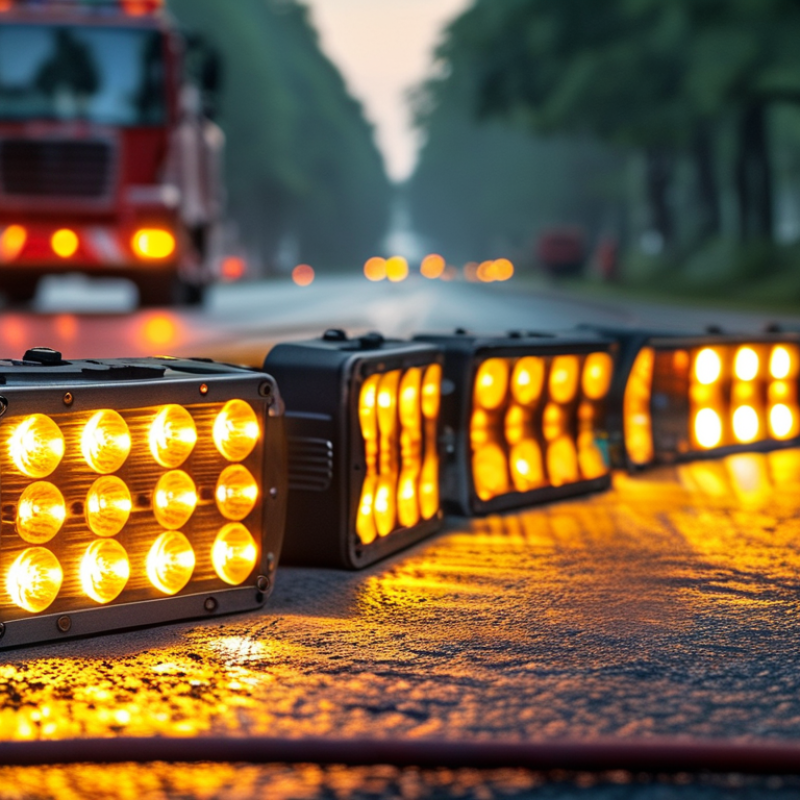
What is Led Warning Lights and How Do They Work?

What Are LED Warning Lights? An Overview of Their Definition and Purpose

LED warning lights are crucial safety devices used in various settings. They are primarily designed to alert individuals of potential hazards or emergency situations. These lights are commonly found on vehicles, industrial sites, and construction areas. Their bright, attention-grabbing illumination can be seen from a distance, enhancing visibility in low-light conditions.

Choosing the right LED warning light is essential. Consider the application and the environment where it will be used. For example, lights with specific colors serve distinct purposes, such as red for emergencies or amber for caution. Understanding these color codes can prevent accidents and enhance safety.

Tips: Always test the lights regularly to ensure functionality. A malfunctioning warning light can compromise safety. Focus on the installation location to maximize visibility. Lights positioned at strategic points can warn of dangers effectively. Always keep a backup set of lights ready for emergencies. This preparation can make a significant difference when time is critical.

The Technology Behind LED Warning Lights: How Light Emitting Diodes Function

LED warning lights are essential for various safety applications. They primarily use light-emitting diodes (LEDs) to produce bright, attention-grabbing illumination. The technology behind LEDs is fascinating. An LED consists of a semiconductor that emits light when an electric current passes through it.

LEDs convert electrical energy into light with great efficiency. According to the U.S. Department of Energy, LEDs use 75% less energy than traditional incandescent bulbs. This energy efficiency makes them popular for warning lights in vehicles, construction sites, and emergency services. The longevity of LEDs is another advantage. They can last up to 50,000 hours, reducing the need for frequent replacements.

Yet, LED technology is not without challenges. Heat management is crucial for maintaining the lifespan of LEDs. Overheating can lead to a decrease in performance and brightness. The color temperature of LEDs can also impact visibility. Research shows that a higher color temperature typically offers better perception at night. However, finding the right balance for specific applications can be challenging. Ensuring optimal conditions in real-world situations requires careful consideration and ongoing adjustments.

Key Applications of LED Warning Lights in Various Industries and Sectors

LED warning lights play a crucial role in various industries. They are widely used for safety and alerting purposes. In construction sites, for instance, flashing LED lights can indicate hazards to workers and pedestrians. Their bright visibility ensures that potential dangers are communicated effectively.

In emergency vehicles, LED lights serve as vital signaling devices. Ambulances and fire trucks utilize these lights to navigate traffic quickly. Their bright colors and intensity grab attention, ensuring the safe passage of emergency responders. Additionally, LED lights are used in manufacturing plants for machine alerts. A sudden red flash can indicate a malfunction, signaling operators to take immediate action.

Despite their effectiveness, some industries still overlook the importance of proper placement and use. Misaligned lights can cause confusion rather than clarity. Inadequate training on their use might also lead to ineffective communication of risks. Understanding the full potential of LED warning lights requires ongoing awareness and adjustment to best practices in various settings.

Safety Standards and Regulations Governing the Use of LED Warning Lights

LED warning lights have become essential in various industries, prompting the need for safety standards and regulations. These standards ensure proper use and functionality. When properly implemented, LED lights can significantly enhance visibility and reduce accidents. Compliance with regulations helps maintain public safety while using these devices.

In many regions, there are strict guidelines governing the brightness and color of LED warning lights. For example, emergency vehicles often utilize specific colors to convey urgent messages. Certain colors indicate different meanings, like red for emergencies and amber for caution. Organizations should familiarize themselves with these specifications to avoid confusion. Ignoring these guidelines can lead to legal challenges and safety risks.

**Tip:** Always choose LED lights that have been certified by relevant governing bodies. Doing so ensures you comply with safety standards. Regular testing of devices enhances reliability.

Improper installation of LED warning lights can compromise their effectiveness. Drivers might overlook lights that aren't correctly positioned. Therefore, regular training on how to install and maintain these devices is crucial. Create clear protocols for placement to maximize their visibility and effectiveness.

**Tip:** Conduct routine inspections of LED lights to ensure they function optimally. This reduces the likelihood of malfunctions when they are needed most.

What is Led Warning Lights and How Do They Work? - Safety Standards and Regulations Governing the Use of LED Warning Lights

Feature Description Safety Standards Application Areas
Brightness LED warning lights produce bright light visible even in daylight. ANSI/ISEA 107-2015 Construction sites, emergency vehicles
Color Common colors include red, amber, and blue, each serving specific purposes. FMVSS 108 Public safety, traffic control
Durability LEDs are resistant to shock and vibration, making them long-lasting. IP67 Rating Industrial applications, roadside emergencies
Power Consumption LED lights consume less power compared to traditional lighting. Energy Star Certification Eco-friendly projects, transportation
Visibility Range Effective visibility ranges up to several miles, depending on conditions. DOT Regulations Emergency response, warning signs

Choosing the Right LED Warning Lights: Factors and Trends in the Market

When selecting LED warning lights, it’s crucial to consider several factors that impact performance and suitability. Brightness is essential; a higher lumen output ensures visibility in various conditions. This is particularly important for emergency services and roadside assistance, where safety is paramount. Color also plays a significant role. Different colors convey different meanings, with red often indicating danger and blue typically used by law enforcement.

Market trends show a growing demand for customizable features. Users are looking for lights that can change patterns and intensities based on their needs. This type of flexibility enhances the lights' effectiveness in different scenarios. Durability is another key factor; lights must withstand harsh environmental conditions. Waterproof and shock-resistant options are preferred for outdoor use.

However, not all products meet these criteria effectively. Some LED lights promise high performance but may fall short in real-world applications. It is important to research and read reviews before making a purchase. Buyers should also be cautious of overly cheap options that compromise on quality. Balancing cost with features is vital for choosing the best LED warning lights.

LED Warning Lights Market Analysis

FAQS

: What are LED warning lights used for?

: LED warning lights alert individuals to potential hazards or emergencies. They enhance visibility in low-light settings.

How do I choose the right LED warning light?

Consider the application and environment. Different colors serve different purposes, like red for emergencies and amber for caution.

Why is regular testing of LED warning lights important?

Regular testing ensures functionality. A malfunctioning light can compromise safety and lead to accidents.

What are safety standards for LED warning lights?

Safety standards dictate brightness and color usage. Compliance enhances public safety and reduces legal risks.

How can improper installation affect LED warning lights?

Incorrect placement can lead to overlooked lights. Regular training and clear protocols are essential for effective installation.

Should I keep backup LED lights?

Yes, having a backup set ready is crucial. This preparation can be vital in emergency situations when time is critical.

What happens if regulations are ignored?

Ignoring regulations can result in legal challenges and increased safety risks. Organizations should stay informed about guidelines.

How often should I inspect LED warning lights?

Routine inspections are necessary to ensure optimal functioning. This reduces the likelihood of malfunctions when needed.

Are some colors more effective than others?

Yes, different colors convey different meanings. It’s important to understand these codes for effective communication.

What should I do if my lights malfunction?

Address the malfunction immediately. This can help prevent accidents and ensure safety measures remain effective.

Conclusion

LED warning lights are essential safety devices designed to alert individuals to potential hazards across various environments. Utilizing light-emitting diodes (LEDs), these lights are energy-efficient and have a long lifespan, making them a popular choice in industries like construction, emergency services, and traffic management. Their bright illumination ensures high visibility, improving safety for workers and the public alike.

The technology behind LED warning lights involves the efficient operation of light-emitting diodes, which generate light when an electric current passes through them. With numerous applications spanning different sectors, LED warning lights also adhere to specific safety standards and regulations to ensure reliability and effectiveness. When selecting the appropriate LED warning lights, factors such as brightness, visibility range, and compliance with industry trends must be considered to enhance safety in any given scenario.

Sophia

Sophia

Sophia is a dedicated marketing professional with an exceptional depth of knowledge about her company's products and services. With a keen understanding of market trends and customer needs, she crafts insightful blog posts that not only inform but also engage readers, enriching the company’s online......