
AceHawky AceHawky

What is Emergency Strobe Lights and How Do They Work?

Time:2026-06-10 Author:Liam
0%

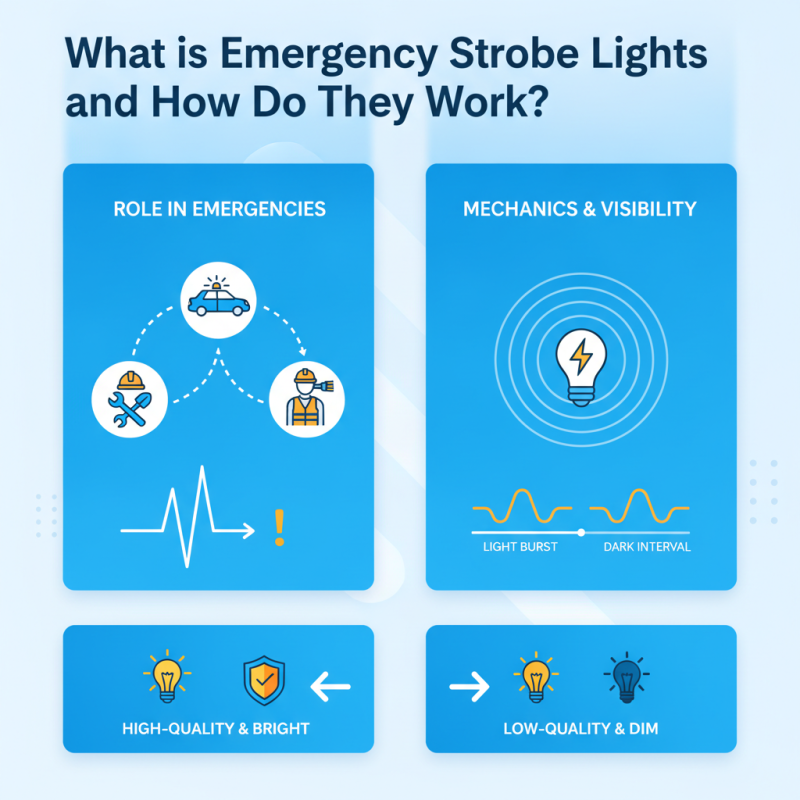
Emergency Strobe Lights play a crucial role in various emergency situations. Their bright, flashing lights are designed to capture attention quickly. These lights are commonly used by emergency vehicles, construction sites, and safety personnel.

The mechanics behind Emergency Strobe Lights are fascinating. They work by emitting high-intensity light bursts at regular intervals. This creates a strobe effect that enhances visibility in low-light conditions. The rapid flashes help alert bystanders and drivers, ensuring everyone's safety.

Understanding Emergency Strobe Lights is essential. Proper usage can prevent accidents and save lives. However, not all lights are created equal. Some may lack the brightness needed for effective visibility. This raises questions about their reliability. Investing in high-quality Emergency Strobe Lights is crucial for any safety-conscious individual or organization.
What is Emergency Strobe Lights and How Do They Work?

What Are Emergency Strobe Lights?

Emergency strobe lights are essential safety devices used in various emergency situations. They provide a high-intensity flash that can be seen from a distance. This visibility is crucial for alerting people to danger or ensuring vehicles are noticed in low-light conditions. Typically, they are used by emergency services, such as police, fire departments, and medical teams.

The technology behind strobe lights is relatively simple. They use a high-voltage flash tube to produce bright bursts of light. This rapid flashing can attract attention quickly. Strobe lights often have different patterns and colors, which can indicate specific types of emergencies. However, not everyone understands how to use these lights effectively.

Despite their obvious benefits, there can be drawbacks. For example, excessive brightness may cause temporary blindness, creating hazards instead of preventing them. Proper placement and timing are crucial to maximize their effectiveness. Using strobe lights inappropriately can lead to confusion. It’s important to reflect on the best practices when deploying these tools. Proper education on their use can enhance safety for everyone involved.

The Mechanism Behind Strobe Light Operation

Emergency strobe lights are critical devices designed for visibility during emergencies. They operate through a simple mechanism that produces intense bursts of light. This light is typically created using a xenon gas flash tube or LED technology. A burst lasts mere fractions of a second, but the illusion of continuous light is achieved through rapid flashing.

Strobe lights typically flash at a frequency of 1-4 Hz. This rate provides effective signaling without overwhelming the observer. Research shows that strobe lights can enhance visibility even in challenging conditions. Their bright flashes can cut through fog, rain, and smoke, making them indispensable for emergency vehicles and safety warnings.

Tips: When using strobe lights, ensure they are positioned to maximize visibility. Avoid placing them in locations where they might be obscured. Regular maintenance checks are essential to ensure proper function. Consider testing them under various weather conditions to confirm their reliability.

Users often overlook the importance of training in proper strobe light use. Knowing when and how to activate these lights can greatly affect their effectiveness. In scenarios where lives are at stake, every detail counts. The importance of preparedness cannot be overstated, and sometimes, even a small oversight can lead to dire consequences.

Different Types of Emergency Strobe Lights

Emergency strobe lights are critical for various situations, providing essential visibility during emergencies. They are commonly used by law enforcement and emergency responders. Understanding the different types can help ensure the right choice for specific needs.

Rotating strobe lights offer broad visibility by rotating quickly, producing a 360-degree dazzling effect. These lights can be seen from long distances, making them effective for roadside emergencies. Research indicates that around 75% of drivers notice these lights well in advance, allowing them to react appropriately.

LED strobe lights are increasingly popular. They consume less power and have a longer lifespan compared to traditional halogen lights. Studies suggest LED strobe lights can last up to 50,000 hours. Their brightness, measured in lumens, can exceed 1,000, depending on the design. However, stakeholders must consider performance versus cost, as cheaper options might not meet needed standards.

Types of Emergency Strobe Lights and Their Brightness Levels

Applications of Emergency Strobe Lights in Various Industries

Emergency strobe lights serve crucial roles across various industries by enhancing safety and visibility under challenging conditions. These lights are often deployed in emergency response teams, construction sites, and manufacturing plants. According to the National Safety Council, using high-visibility equipment can reduce workplace accidents by nearly 30%. In emergency services, strobe lights alert surrounding traffic, ensuring responders can operate safely.

In construction and industrial settings, strobe lights signal hazards, helping workers remain aware of their surroundings. The International Labor Organization reports that proper use of safety signs and signals can lower accident rates significantly. Additionally, in the event of an emergency, these lights assist in guiding individuals to exit routes swiftly and safely.

Tips: Ensure your strobe lights are regularly tested for functionality. Check for any damage that could affect brightness. Remember, visibility can be drastically reduced in specific weather conditions, so placement matters. More attention to detail could save lives.

Safety Considerations When Using Emergency Strobe Lights

When using emergency strobe lights, safety is paramount. These lights are powerful tools designed to enhance visibility during emergencies. However, improper use can lead to accidents or confusion. Always ensure that these lights are visible to oncoming traffic and positioned correctly. Strobe lights can disorient drivers if not used cautiously.

Consider the environment where you deploy these lights. Busy roadways pose different risks than secluded areas. Adjust the frequency and intensity of your strobe lights based on your surroundings. Intense flashing can create panic. It's essential to strike a balance between visibility and causing undue alarm.

Training is crucial when using emergency strobe lights. Users should understand their features and limitations. Regular testing of the lights helps ensure they function correctly. Remember, relying solely on these devices does not eliminate the need for situational awareness. Each situation requires a thoughtful approach to safety.

FAQS

: What are emergency strobe lights?

: Emergency strobe lights are safety devices used to alert people in emergencies. They provide high-intensity flashes for visibility.

How do strobe lights work?

Strobe lights use a high-voltage flash tube to produce brief bursts of light. Rapid flashing creates an impression of continuous light.

What is the typical flashing frequency of strobe lights?

Strobe lights usually flash at a frequency of 1-4 Hz, which is effective for signaling without overwhelming observers.

Why is placement important for strobe lights?

Proper placement maximizes visibility. They should not be obscured, as this could hinder their effectiveness during emergencies.

What are some potential drawbacks of using strobe lights?

Excessive brightness can cause temporary blindness, creating risks. Improper use may lead to confusion and misunderstandings.

Where are strobe lights commonly used?

Strobe lights are used in emergency response, construction sites, and manufacturing for safety and visibility in challenging conditions.

How can training improve strobe light effectiveness?

Proper training ensures users know when and how to use strobe lights. Small oversights can lead to serious consequences.

How does weather affect the use of strobe lights?

Visibility can decrease in fog, rain, or smoke. Testing strobe lights in different weather is essential for reliability.

What should be checked to ensure strobe lights are functional?

Regular maintenance checks are crucial. Users should inspect for damage that could affect brightness and visibility.

How can the use of strobe lights impact workplace safety?

Proper use of strobe lights can reduce workplace accidents. They enhance awareness and signal hazards to workers effectively.

Conclusion

Emergency Strobe Lights are essential safety devices used to alert individuals to potential dangers or emergencies. These lights operate on the principle of producing intense, rapid bursts of light, which can be seen from significant distances, even in adverse weather conditions. The varying designs of emergency strobe lights cater to different needs, including portable options and those integrated into vehicles or buildings.

Various industries utilize emergency strobe lights, including emergency services, construction, and public transportation, enhancing safety by ensuring visibility during critical situations. It is vital to consider safety when using these lights, such as their placement and the potential for causing distractions if not appropriately deployed. Understanding the operation and applications of Emergency Strobe Lights is crucial for maximizing their effectiveness in emergency situations.

Liam

Liam

Liam is a dedicated marketing professional with a profound expertise in the industry, where he excels at highlighting the unique advantages of our core products. With a keen understanding of market trends and consumer needs, Liam frequently updates our company’s professional blog, providing......