
AceHawky
Choosing the right Mid Range Scopes starts with understanding how and where you will use them. A scope for target practice may need different features from one used for wildlife observation or lawful sporting activities. Magnification is important, but it should not dominate the decision. A versatile 3-9x or 4-12x model often provides a practical balance between field of view and distant detail. Small details matter. Eye relief affects comfort and safe positioning, while optical clarity determines whether fine details remain visible in changing light. A simple reticle can support quick aiming, but a more detailed design may help with measured distance and elevation adjustments.
A dependable comparison should examine glass quality, turret tracking, parallax control, tube construction, weight, and weather resistance. I once placed too much attention on maximum magnification. That choice looked impressive on paper, yet it made the image less steady and the setup heavier. This is an easy mistake to repeat. More magnification is not automatically better. Check the warranty. Manufacturer specifications provide useful evidence, but independent testing can reveal problems with adjustment consistency or edge clarity. Reviews from experienced users are valuable when they describe specific conditions, such as low light, cold mornings, or repeated adjustments. This guide will compare those practical factors and explain which Mid Range Scopes offer genuine value, not merely attractive features. Personal needs still matter, and no single model will suit everyone.
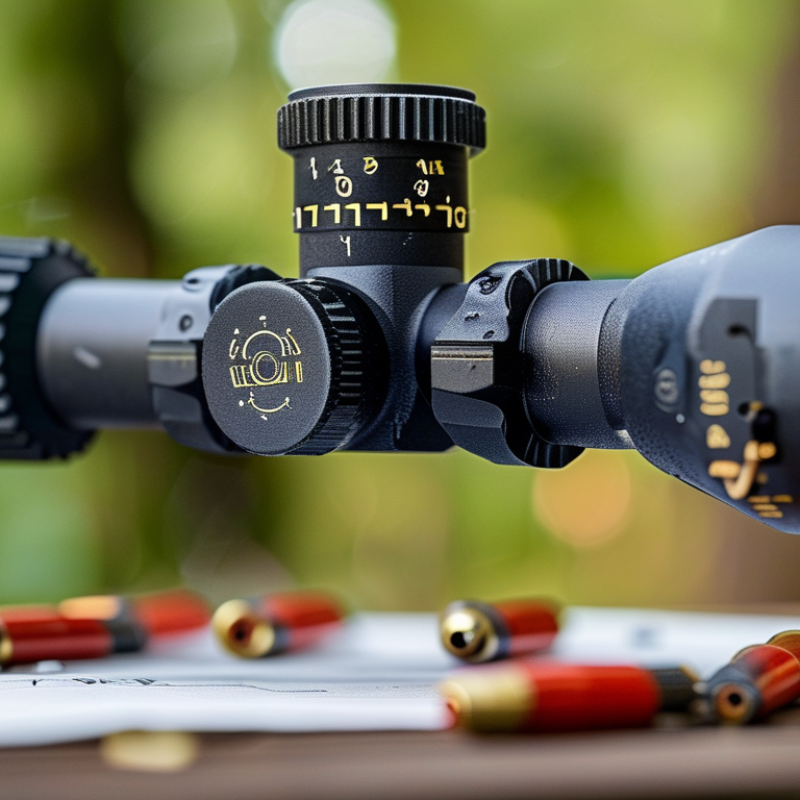
Mid-range scopes usually offer moderate magnification for flexible, controlled viewing. Common options include 3-9x, 4-12x, and 2.5-10x designs. They support short and medium-distance observation without feeling overly specialized. At lower power, a wider field of view helps track moving subjects. Higher power reveals small details at greater distances. These scopes often serve hunting, target practice, wildlife observation, and general outdoor use. A practical scope should provide clear glass, reliable adjustments, and comfortable eye relief. Poor eye relief quickly becomes tiring.
Choosing well also means matching the scope to your usual distance and environment. A compact model may feel better during long walks. A larger objective lens can improve low-light performance, but it adds weight. Adjustment turrets should feel firm and track consistently. In my experience, specifications can look impressive on paper. Real handling sometimes tells a different story. I once favored extra magnification, then found the narrow view inconvenient. That mistake changed my priorities. Balance, clarity, and comfort usually matter more than maximum power.
Choosing the best mid-range scope starts with matching magnification to distance, movement, and light. For woodland shooting, 2-10x often feels more practical than extreme power. At 2x, a moving target stays easier to track. At 10x, small details become clearer at longer distances. Higher magnification can also expose hand movement and mirage. I have learned this the hard way.
Objective size controls light gathering, weight, and mounting height. A 40–44 mm objective usually balances brightness and portability. Larger objectives may help at dawn, but they add bulk and can force a higher cheek position. The U.S. Fish and Wildlife Service reported 148.3 million wildlife-watching participants in its 2022 national survey. That figure reflects many real-world observation conditions, not just bright afternoons. Field of view matters equally. A wider view helps locate animals through brush, while a narrow view can feel restrictive above 8x. Exact results depend on lens quality and eye position.
Tips: Test the scope at your normal distance before buying. Compare the lowest magnification first. Check whether you can see a clear image quickly. Then inspect the field edges. They may look softer than expected. Do not judge brightness from a showroom alone. The Outdoor Foundation’s 2024 participation report recorded 175.8 million U.S. outdoor participants in 2023, suggesting varied terrain and lighting demands. A lighter scope may be the wiser choice, although I sometimes underestimate the value of extra magnification.
Comparing magnification, objective size, and field of view across common mid-range scope configurations
A wider field of view is useful for locating moving targets, while higher magnification helps with precise aiming at longer distances. Larger objective lenses can improve light gathering, but they also add weight and usually require higher mounting rings.
Choosing the best mid-range scope starts with optical quality, not magnification numbers. Clear glass should preserve contrast in shaded woods and reduce color fringing around branches. Check resolution near the image edges, not only in the center. ISO 14490-5 provides recognized methods for measuring optical resolution, but field conditions remain less predictable.
Reticles also shape practical performance. A fine reticle supports precise aiming, while a thicker pattern remains easier to see against dark backgrounds. First focal plane reticles keep subtensions consistent across magnification changes. Second focal plane designs can look cleaner at higher power. Focusing systems deserve equal attention. A fast-focus eyepiece sharpens the reticle, while side parallax adjustment improves image alignment at different distances. The 2024 Outdoor Participation Trends Report from the Outdoor Industry Association recorded 175.8 million American outdoor participants. That expanding audience needs simple, reliable controls, not impressive specifications alone.
Tips: Compare scopes at dusk, then repeat the test after your eyes adjust. Rotate the magnification ring slowly. Watch for image darkening, stiff movement, or a wandering point of focus. Check the reticle against both pale sky and dark foliage. I still overvalue maximum magnification sometimes. That is easy to forget. A lower-powered model may deliver a brighter image and faster target recognition. Record your observations in plain language. “Sharp at 8x” means more than a brochure’s vague promise.
How to Choose the Best Mid Range Scopes?
A mid-range scope should survive regular handling, transport, and sudden temperature changes. Inspect the tube for solid construction and smooth, controlled adjustments. A dependable scope should hold its settings after repeated movement. Check the adjustment turrets for firm clicks and minimal play. I once trusted a loose turret too quickly. That was a mistake.
Mounting needs deserve equal attention. Match the scope tube diameter with compatible rings and a stable mounting system. Confirm enough eye relief before tightening anything. Poor positioning can cause discomfort and an inconsistent viewing position. Use a level during installation, then tighten screws evenly to the recommended torque. Over-tightening may damage the tube. Under-tightening can allow movement. The balance is easy to underestimate.
Weather resistance matters in real outdoor conditions. Look for sealed housing, fog-resistant internal treatment, and protective lens coatings. Nitrogen or argon purging can reduce internal fogging during temperature shifts. Still, no scope is completely weatherproof forever. Inspect seals after heavy use. Keep the lenses covered when the scope is stored.
Tips: Test the scope on a cool morning and a warm afternoon. Check for fogging, slipping adjustments, or moisture near the edges. Read the technical specifications carefully, but treat vague claims cautiously. A small flashlight can reveal dust or uneven lens surfaces before installation.
| Scope Configuration | Typical Magnification | Objective Lens | Tube Diameter | Typical Eye Relief | Approx. Field of View at 100 yd | Typical Weight | Durability Features to Check | Mounting Needs | Weather-Resistance Requirements | Best Use | Overall Practical Rating |
|---|---|---|---|---|---|---|---|---|---|---|---|
| Compact Hunting Scope | 2–7x | 32 mm | 1 in or 30 mm | 3.5–4.0 in | Approximately 42–14 ft | Approximately 12–18 oz | Aircraft-grade aluminum body, hard-anodized finish, protected adjustment turrets, and shock-tested internal components. | Usually requires low or medium rings. Confirm that the objective bell and bolt handle clear the rifle. | Look for sealed construction and nitrogen or argon purging to reduce internal fogging. | Lightweight rifles, woodland hunting, and short-to-medium distances. | Excellent for portability |
| General-Purpose Hunting Scope | 3–9x | 40 mm | 1 in or 30 mm | 3.5–4.0 in | Approximately 32–11 ft | Approximately 14–20 oz | Check for a rigid one-piece main tube, reinforced erector system, positive turret clicks, and scratch-resistant exterior coating. | Low or medium rings are commonly suitable. Ring height must match the rifle, receiver, and objective diameter. | Use only models with sealed lenses, fog-resistant internal cavities, and clearly stated water-resistance testing. | General hunting, range practice, and mixed daylight conditions. | Best all-around balance |
| Low-Light Hunting Scope | 3–12x | 50 mm | 30 mm | 3.5–4.0 in | Approximately 31–8.5 ft | Approximately 20–28 oz | Prioritize a robust tube, reliable magnification ring, strong lens seating, and impact-resistant lens coatings. | Often needs medium or high rings because of the larger objective bell. Check cheek-weld height before installation. | Choose sealed, purge-filled construction with waterproofing suitable for rain, snow, and rapid temperature changes. | Dawn, dusk, shaded terrain, and situations where light transmission is important. | Very good in low light |
| Versatile Precision Scope | 4–16x | 44 mm | 30 mm | 3.5–4.0 in | Approximately 26–6.5 ft | Approximately 22–30 oz | Look for a stiff main tube, repeatable elevation adjustments, a secure parallax control, and a durable first- or second-focal-plane reticle system. | Medium rings are common. A one-piece mount may improve alignment and stability on heavier rifles. | Confirm waterproof and fog-proof claims, sealed turret assemblies, and operating-temperature information. | Long-range target work, varmint shooting, and precision-oriented hunting. | Strong for precision |
| Low-Power Variable Scope | 1–6x | 24 mm | 30 mm | 3.5–4.0 in | Approximately 100–17 ft | Approximately 16–24 oz | Check for a reinforced magnification mechanism, capped or locking turrets, impact-resistant housing, and a reticle designed for rapid target acquisition. | Low or medium rings may work, but eye-relief position and proper forward mounting space are especially important. | Look for fully sealed construction, anti-fog lens treatment, and water resistance appropriate for field carry. | Fast-moving targets, short-to-medium distances, and rifles used in dense terrain. | Excellent for fast handling |
| Extended-Range Hunting Scope | 4–20x | 50 mm | 30 mm or 34 mm | 3.5–4.0 in | Approximately 24–5.5 ft | Approximately 24–34 oz | Prioritize a large internal adjustment range, repeatable turrets, a rigid tube, secure locking controls, and verified recoil resistance. | Usually needs medium or high rings. Verify scope height, rifle clearance, mount torque, and rail compatibility. | Choose a sealed and purge-filled model with reliable performance across hot, cold, wet, and dusty conditions. | Open-country hunting and deliberate shots at longer distances. | Best for reach, heavier setup |
Specification ranges are representative mid-range market benchmarks rather than manufacturer-specific claims. Always verify the exact scope’s eye relief, field of view, mounting height, adjustment system, waterproof rating, and recoil-resistance testing before purchase.
Choosing a mid-range scope starts with your shooting conditions, not its feature list. Decide where you will use it, how often, and at what distance. A field rifle used in legal hunting may need a wider view and a forgiving eye box. A target setup can benefit from finer adjustments and clearer markings.
Budget should support the whole setup. Leave room for sturdy mounting hardware, proper installation, and a basic zeroing session. A bright reticle helps during cloudy afternoons, while moderate magnification usually offers a steadier image than extreme power.
Keep it practical. Light matters. A heavy scope may feel impressive in a shop, but it can become tiring during a long walk across uneven ground.
I once focused too much on magnification and ignored low-light clarity. That choice was not perfect. Higher power also made small movements look larger, especially from an unsupported position. Before buying, test the eye relief in a natural stance and check whether the controls feel usable with cold fingers.
Ask how the scope performs at dawn, near tree cover, and against a dark target. Reliable glass should produce a crisp image across the useful portion of its range, not only in ideal indoor lighting. If possible, compare several options through the same window and record what you actually see.
It offers moderate magnification for flexible outdoor viewing. Common ranges include 3-9x, 4-12x, and 2.5-10x. These models suit wildlife observation, target practice, and general outdoor use.
Choose based on your usual distance and surroundings. Lower power gives a wider view for moving subjects. Higher power reveals distant details. It depends.
Check the image at dawn, midday, and under shade. Inspect sharpness near the edges, not only the center. Watch for color fringing around branches. Clear center detail is not enough.
Comfortable eye relief reduces eye strain during longer viewing sessions. Test the scope from standing, seated, and supported positions. A poor position quickly becomes tiring.
Fine reticles support precise viewing but may disappear against dark foliage. Thicker patterns remain easier to see in shaded areas. Check the reticle against pale sky and dark leaves. Simpler often works better.
A fast-focus eyepiece sharpens the reticle. Side parallax adjustment can improve alignment at different distances. Turn the magnification ring slowly. Notice any wandering focus or sudden image darkening.
Match the tube diameter with compatible rings and a stable mounting system. Confirm eye relief before tightening screws. Use a level and tighten evenly to the recommended torque. Over-tightening can damage the tube.
Look for sealed housing, fog-resistant internals, and protective lens coatings. Purging can reduce fogging during temperature changes. Test the scope on a cool morning and warm afternoon. No scope stays perfectly weatherproof forever.
A larger lens may brighten low-light images. It also adds weight during long walks. Compact designs can feel easier to carry. I sometimes overvalue size and power, then regret the extra weight.
Specifications provide useful comparisons, but handling reveals practical weaknesses. Check turret clicks, image sharpness, and ring movement personally. Record observations such as “sharp at 8x.” Paper claims can look better than reality.
Choosing the best Mid Range Scopes starts with understanding their purpose and the shooting conditions in which they will be used. These scopes offer a practical balance between close and extended-distance viewing, making them suitable for target practice, hunting where lawful, and general outdoor observation. Consider magnification carefully: higher power helps with distant targets, while a wider field of view supports faster tracking and better awareness. Objective size also affects light gathering, image brightness, and overall weight.
Optical clarity, reticle design, and reliable focusing systems are equally important. Look for sharp images, useful reticle markings, smooth adjustments, and comfortable eye relief. Durability should also be a priority, including strong construction, secure mounting compatibility, and resistance to rain, dust, and temperature changes. Finally, compare these features with your budget and intended shooting environment. The ideal scope is not necessarily the most powerful or expensive, but the one that provides dependable performance, easy handling, and a clear view under the conditions you expect to encounter.
