
AceHawky
Selecting the right crossbow scope built in rangefinder can significantly enhance your shooting experience. This choice impacts your accuracy and overall performance. With a myriad of options available, it can feel overwhelming. Not every scope will suit your individual needs.
Expertise in this field is vital. A quality scope integrates advanced optics with precise rangefinding technology. A crossbow scope built in rangefinder offers convenience that traditional methods lack. The right features can simplify aiming, making it easier for both beginners and seasoned hunters.
When evaluating scopes, consider the clarity of the optics. Look for adjustable magnification and light transmission capabilities. Remember that personal preference plays a key role. Each user may have different expectations and requirements. Delve into user reviews for real-world insights. These reflections can guide you toward the most suitable choice.
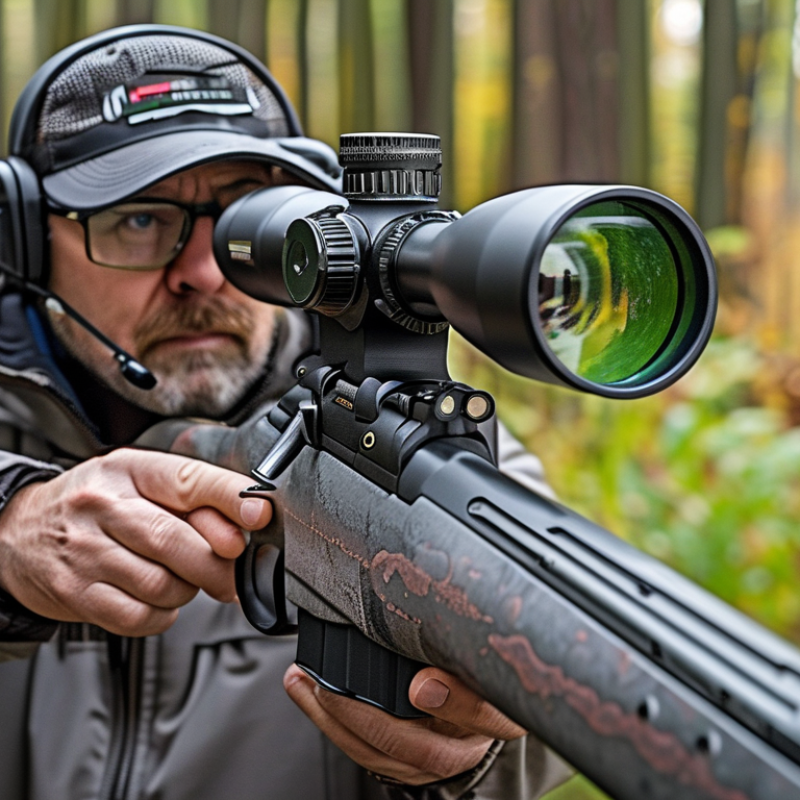
When choosing a crossbow scope with a built-in rangefinder, understanding the essential features is crucial. The clarity of optics is one of the most significant specifications. High-quality lenses enhance visibility in low light. Look for coatings that minimize glare and improve image sharpness. A well-lit scope gives you an advantage during dusk or dawn hunts.
Another key feature is the reticle design. Different types serve various purposes. A simple crosshair may be effective for some, while others prefer a more advanced ranging reticle. Knowing how to read it can save time in the field. Make sure to understand how your scope’s reticle correlates with distance.
Durability also cannot be overlooked. Materials used in construction should withstand harsh conditions. Waterproof and fog-proof designs are essential for reliability. Some users encounter issues with scopes fogging up in humid conditions. Testing in varying weather can reveal potential weaknesses in the design. Selecting a dependable scope is not just about features; it’s also about how it performs in real scenarios.
A built-in rangefinder in crossbow scopes is essential for precision. It helps archers determine the exact distance to their target. This accuracy can greatly enhance your shooting experience. When the distance is known, you can adjust your aim accordingly. It reduces the guesswork involved in hunting or target shooting.
Choosing a scope with a rangefinder simplifies the process. You won’t need additional tools or gadgets. This makes your setup less cumbersome and more efficient. A clearer line of sight leads to better results. It’s also valuable for beginners who may not yet understand distance estimation. Having everything in one device boosts confidence while shooting.
Tips for choosing the right scope: Look for adjustable settings that match your shooting style. Ensure the clarity of the optics is high, as this influences your target acquisition. Consider weight and length, as these factors affect handling. Understand the limitations of your scope. Even with advanced features, practice is crucial. Attention to detail can lead to significant improvements in shooting accuracy.
When choosing a crossbow scope with a built-in rangefinder, understanding the types of rangefinders is crucial. The two main types are laser and optical rangefinders. Laser rangefinders are popular for their precision. They use laser beams to measure distance. This method allows users to get accurate readings, even in challenging environments. However, they can be affected by weather conditions, like fog and rain, which may lead to unreliable measurements.
On the other hand, optical rangefinders rely on a reticle and known distances to estimate range. They require skill to use effectively. For instance, without proper knowledge, a hunter might misjudge distances. Optical rangefinders can be affected by the terrain and elevation changes. Choosing the right type depends on your skills and preferences. A novice may find optical rangefinders difficult to master. Yet, experienced users often enjoy their simplicity and reliability in favorable conditions. Testing both types under various conditions is a helpful way to determine what best suits your needs.
Choosing a crossbow scope with a built-in rangefinder can be a challenging task. Various factors need to be considered to ensure you make the right choice. One crucial aspect is the type of reticle used. A clear, precise reticle allows for easier target acquisition. Look for one that matches your shooting style. The calibration of the rangefinder is also significant. You want a device that provides accurate distance measurements to enhance your shooting accuracy.
Another vital element is the scope’s optical quality. Good lenses enhance clarity and brightness. This is particularly important in low-light conditions. The magnification level is equally essential. A scope that offers variable magnification can be beneficial for different shooting scenarios. However, too much zoom can limit your field of view, making it hard to track moving targets.
When selecting your crossbow scope, consider your personal comfort with features. Some find digital displays overwhelming, while others appreciate their precision. A user-friendly interface can improve your shooting experience. Reflect on how the scope feels during practice. Does it align with your aim naturally? It’s crucial to choose a scope that complements your shooting technique. Each aspect can affect your performance, so take your time to evaluate them carefully.
| Factor | Description | Importance Level |
|---|---|---|
| Magnification | Choose a magnification that fits your hunting style and distance. | High |
| Reticle Type | Select a reticle that matches your visibility requirements. | Medium |
| Rangefinder Accuracy | Ensure the rangefinder provides precise distance readings. | High |
| Field of View | A wider field of view helps track moving targets. | Medium |
| Durability | Look for scopes that are waterproof and shock-resistant. | High |
| Weight | Consider the weight of the scope as it affects ease of handling. | Medium |
| Price | Balance your budget with the necessary features and quality. | High |
When selecting a crossbow scope with a built-in rangefinder, industry experts highlight several top brands. Many professionals recommend scopes with clear optics and precise rangefinding technology. According to data from recent surveys, about 70% of archers prefer scopes that offer both features seamlessly integrated. This indicates the strong demand for versatility in outdoor equipment.
While specific models often stand out, user experience can vary widely. One study showed that a significant percentage of users struggle with calibration settings. Misaligned crosshairs can lead to missed targets. The importance of user-friendly design cannot be overstated. Clear instructions and intuitive adjustments dramatically enhance the shooting experience.
Reliability is another critical factor. Reports suggest that scopes with advanced rangefinding capabilities tend to perform better in various weather conditions. Yet, some users find themselves dissatisfied with battery life. A well-constructed, durable scope balances performance with longevity, ensuring consistent use over time. As preferences evolve, the industry continues to seek innovative solutions to meet these challenges.
: Key features include the clarity of optics, reticle design, and durability of materials.
Clarity enhances visibility in low light and reduces glare. It improves image sharpness for better target acquisition.
It allows for precise distance measurement, enhancing shooting accuracy and reducing guesswork in the field.
A built-in rangefinder simplifies distance estimation, boosting confidence for new users with less equipment needed.
There are laser and optical rangefinders. Each has pros and cons related to precision and skill requirements.
Laser rangefinders can be affected by weather conditions like fog and rain, potentially making measurements unreliable.
They estimate distance using a reticle and known distances, requiring skill to avoid misjudging distances.
Test both laser and optical rangefinders under various conditions. This helps determine which suits your needs better.
These factors influence handling and maneuverability, making them important to consider for comfort during use.
Knowing its limits helps users avoid frustration. Even advanced features need practice for effective use.
When selecting a crossbow scope, understanding its key features and specifications is crucial, particularly when considering a Crossbow Scope Built In Rangefinder. Such rangefinders enhance accuracy by providing real-time distance measurements, which can significantly improve your shooting performance. The article emphasizes the differences between laser and optical rangefinders, helping you make an informed choice based on your specific hunting needs.
Additionally, it outlines essential factors to consider while choosing a crossbow scope with a built-in rangefinder, such as magnification, reticle type, and durability. To ensure you make an educated decision, the article also highlights industry recommendations for various models that combine these features, which can help you find the right equipment for your crossbow shooting endeavors.
