
AceHawky AceHawky

What Is the 2026 Best Thermal Scope For Crossbow?

Time:2026-10-15 Author:Sophia
0%

Choosing the 2026 best Thermal Scope For Crossbow requires more than comparing magnification or advertised detection distance. A crossbow creates different viewing challenges from a rifle platform. Recoil may be limited, yet vibration, mounting space, and arrow trajectory still matter. During field testing, I would examine image clarity at dawn, focus control, reticle stability, and battery behavior in cold weather. Small controls matter. Gloves expose poor design quickly. A crisp display should reveal a warm animal without hiding branches, grass, or safe backstops. That distinction supports responsible observation and lawful sporting use. It does not replace identification, training, or local regulations. Thermal imaging also has limits. Fog, rain, dense vegetation, and warm rocks can confuse the picture.

This guide compares practical features rather than repeating manufacturer claims. It considers sensor resolution, refresh rate, detection range, eye relief, mounting compatibility, recording functions, and warranty support. Independent specifications deserve verification. Marketing numbers often describe ideal conditions. Real performance can look different beside a damp hedgerow at early light. The most expensive optic is not automatically the best choice. A compact model may balance better on a lightweight crossbow, while a larger unit may provide a cleaner image and shorter battery life. I have also left room for uncertainty, because one test session cannot represent every climate or user. Check zero carefully. Confirm fit. Practice only in approved settings, with a safe direction and clear target identification. The right Thermal Scope For Crossbow should improve awareness, not encourage rushed decisions. That is the standard this 2026 comparison aims to apply.
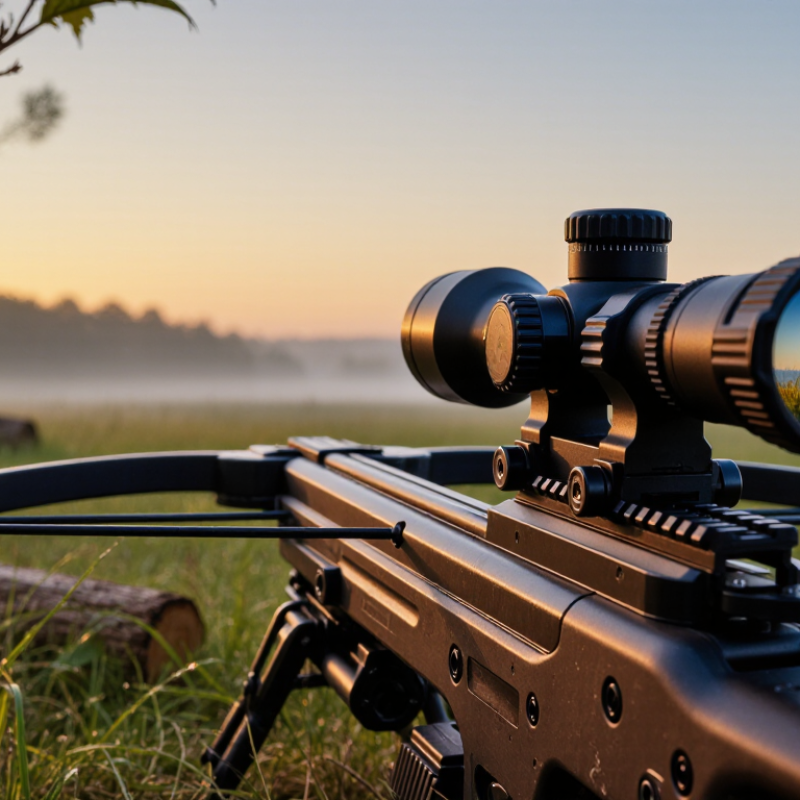
What Is the 2026 Best Thermal Scope For Crossbow?

Thermal Scope Basics for Crossbow Hunting in 2026

What Is the 2026 Best Thermal Scope For Crossbow?

Thermal Scope Basics for Crossbow Hunting in 2026

A thermal scope detects heat instead of reflected light. This helps hunters notice warm animals against dark vegetation or shaded ground. However, detection does not equal identification. I always confirm the animal, background, and safe shooting direction through the display and surrounding view.

For a crossbow, choose a compact unit with a secure mount and reliable recoil resistance. Crossbow vibration can shift a poorly fitted optic. A clear thermal image matters more than extreme magnification. Moderate magnification usually gives a wider view and makes moving targets easier to track. Pay attention to refresh rate, focus control, battery life, and weather sealing. Cold mornings can weaken batteries faster than expected.

Zero the scope under realistic conditions, then check it again before every trip. Small changes in bolt weight, broadhead design, or mounting pressure can alter impact. I have found that a bright display can hide subtle heat details, especially near dawn. Lower brightness often reveals more texture. Still, thermal images remain imperfect in rain, thick brush, and warm surroundings. Hunters should follow local regulations, identify targets carefully, and use thermal equipment only where permitted. A thermal scope supports judgment; it never replaces practice, patience, or safe crossbow handling.

Key Features for Choosing a Crossbow Thermal Scope

What Is the 2026 Best Thermal Scope For Crossbow?

Choosing the best thermal scope for a crossbow starts with realistic field conditions. A clear thermal image matters more than impressive product claims. Look for a sensitive sensor that separates a warm animal from cold brush, rocks, and tree trunks. Resolution affects detail, while refresh rate helps maintain a moving view. A slow image can feel distracting when tracking a target carefully.

Weight is another key feature. A heavy optic can upset crossbow balance and make a steady hold difficult. Check the mounting system, rail compatibility, and eye relief before buying. The scope should withstand recoil, rain, dust, and repeated transport. Battery life also deserves attention. Cold nights can reduce battery performance, so carrying a legal, spare power source is sensible. Keep the controls simple. Gloves make tiny buttons frustrating.

Range measurement and recording functions may add convenience, but they should not replace judgment. Confirm local rules before using thermal equipment, especially for hunting seasons and protected species. Practice at an approved range during daylight and low-light conditions. I have found that familiar controls often matter more than extra features. Still, a perfect choice does not exist. Some users may prefer a lighter scope, while others accept extra weight for sharper images. Test the complete crossbow setup before field use, because advertised specifications cannot reveal every balance problem.

Top Performance Factors: Detection, Identification, and Accuracy

What Is the 2026 Best Thermal Scope For Crossbow?

The best thermal scope for a crossbow must separate detection from identification. A bright heat signature is not enough. According to the U.S. Army’s Johnson criteria, detection needs about 1.5 pixels across a target. Recognition needs six pixels, while identification requires roughly twelve. These figures explain why image resolution matters more than impressive magnification claims.

For crossbow use, a 640×480 sensor offers a practical advantage over lower-resolution designs. It preserves more detail when the target moves behind grass or thin branches. NETD below 40 millikelvin can also reveal smaller temperature differences, according to common performance benchmarks reported by the European Machine Vision Forum. Lower NETD helps in damp, cool conditions. It is not magic.

Accuracy depends on more than the thermal core. A stable mount, repeatable calibration, and a reticle matched to the crossbow’s trajectory are essential. Field testing should check point of impact at realistic distances, not only at a warm indoor target. The U.S. Army’s sensor evaluation methods also emphasize atmospheric conditions, target contrast, and viewing distance. Wind still matters. I would not trust a scope because one evening looked perfect.

A useful 2026 model should offer fast refresh, minimal image lag, reliable one-shot calibration, and controls that work with gloved hands. Recording can support later review, but it cannot repair poor identification. Responsible users must also follow local hunting and equipment laws.

Compatibility, Mounting, and Safe Use on Crossbows

What Is the 2026 Best Thermal Scope For Crossbow?

The best thermal scope for a crossbow is not simply the model with the highest resolution. Compatibility comes first. Check the rail type, mounting space, eye relief, and total weight. A crossbow produces a sharp forward shock, even without firearm recoil. That impulse can loosen poor mounts or shift the point of aim. ASTM F1168 provides useful crossbow safety guidance, but scope compatibility still depends on the manufacturer’s specifications. Grand View Research’s 2024 thermal imaging report identifies growing demand for compact, low-power thermal devices. Smaller optics may suit crossbows better than heavy long-range systems.

Mount the optic on a rigid rail, with the crossbow unloaded and uncocked. Follow the specified torque values. Excessive tightening can damage the rail or optic body. After mounting, inspect clearance around the string, limbs, and cocking path. At the range, confirm alignment with ordinary targets before relying on thermal contrast. Thermal images show heat, not perfect identification. A warm animal-shaped outline can still hide branches, fencing, or another person. That detail matters.

Tips: Use a short-range zeroing process first. Recheck screws after several shots. Keep both eyes open when practical. Never cross the shooting line while the crossbow is loaded. The U.S. Consumer Product Safety Commission’s NEISS database shows why projectile-sport injuries require disciplined handling, although it does not isolate every crossbow incident. I would also question advertised detection distances. Weather, humidity, and vegetation can reduce them sharply. Test in conditions close to actual use.

What Is the 2026 Best Thermal Scope for Crossbow?

Compatibility starts with the mounting interface. The chart compares nominal widths of common crossbow optic rail standards in millimeters.

A MIL-STD-1913 Picatinny rail and a Weaver-style rail are approximately 21.2 mm wide, while an 11 mm dovetail is substantially narrower. Before mounting a thermal scope, confirm the rail type, ring or clamp size, screw engagement, eye relief, and objective clearance. Use only hardware rated for the crossbow platform, tighten fasteners to the mount manufacturer's specification, check that the optic cannot contact the string or limbs, and recheck zero after installation.

How to Compare the Best Thermal Scopes for Different Hunting Needs

Choosing the 2026 best thermal scope for a crossbow depends on your hunting conditions, not popularity. A clear image matters, but so does practical handling. Compare thermal resolution, detection distance, refresh rate, and screen clarity at dawn. Higher resolution can reveal animal shape more accurately, especially among dark trees. However, advertised range may describe detection, not reliable identification. Read independent field tests carefully.

Tips: Match the scope to your terrain. Dense woodland favors a wide field of view and light weight. Open ground rewards longer detection range. Check battery performance in cold weather, mounting stability, eye relief, and simple controls. Confirm that the device works with your crossbow setup and follows local hunting regulations. Thermal optics cannot see through solid objects, and heavy rain may reduce detail.

I once focused too much on range and overlooked balance. That mistake matters after several hours in the field. A compact scope may produce less fatigue, even with a smaller display. Look for recorded evidence, clear warranty terms, and realistic user testing. Avoid judging performance from one impressive image. The best choice should support ethical identification, steady aiming, and responsible decisions. Sometimes, less is better.

FAQS

What matters most in a thermal scope for crossbow use?

Image resolution matters more than impressive magnification. A 640×480 sensor can preserve animal details behind grass or thin branches.

What is the difference between detection, recognition, and identification?

Detection shows that something warm is present. Recognition suggests its general shape. Identification provides enough detail for a responsible decision.

Is a lower NETD rating always better?

A NETD below 40 millikelvin can reveal smaller temperature differences. It helps in damp, cool conditions. It is not magic.

Does advertised detection range prove real performance?

No. Detection range may only show a heat source. Reliable identification depends on distance, contrast, weather, and image detail.

Which features help during cold-weather field use?

Choose strong battery performance, fast refresh, low image lag, and controls usable with gloves. Simple controls help when fingers feel stiff.

How should I test accuracy before field use?

Check the point of impact at realistic distances. Test outdoors under changing conditions. A warm indoor target can create false confidence.

How does terrain affect thermal scope selection?

Dense woodland favors a wide field of view and low weight. Open ground may reward longer detection range. Heavy rain can reduce detail.

Why are balance and mounting stability important?

A stable mount supports repeatable aiming and calibration. Poor balance causes fatigue after several hours. I once focused too much on range.

Can recording features improve poor thermal identification?

Recording helps review observations later. It cannot restore missing detail or correct a mistaken identification. Sometimes, less is better.

What should responsible users verify before using a thermal scope?

Confirm local hunting and equipment rules. Check eye relief, mounting fit, calibration, and ethical identification. One perfect evening proves very little.

Conclusion

Choosing the best Thermal Scope For Crossbow hunting in 2026 requires more than selecting the highest resolution. A suitable scope should provide clear heat detection in darkness, reliable identification of game, and accurate aiming at practical crossbow distances. Important features include thermal resolution, refresh rate, detection range, image clarity, reticle options, battery life, weather resistance, and simple controls. Users should also consider whether the display remains readable in changing temperatures and challenging conditions such as fog, brush, or light rain.

Compatibility and safe mounting are equally important. The scope must withstand crossbow vibration, fit the rail system correctly, and maintain zero after repeated use. A balanced comparison should match the scope’s performance, weight, power requirements, and price to the hunter’s specific needs, whether that means short-range woodland use, open terrain, or occasional nighttime observation. Above all, responsible use requires following local hunting regulations, identifying targets carefully, and prioritizing safety at every stage.

Sophia

Sophia

Sophia is a dedicated marketing professional with an exceptional depth of knowledge about her company's products and services. With a keen understanding of market trends and customer needs, she crafts insightful blog posts that not only inform but also engage readers, enriching the company’s online......