
AceHawky AceHawky

What Is an Archery Range Sight Used For?

Time:2026-11-22 Author:Madeline
0%

An Archery Range Sight gives an archer a consistent visual reference for aiming. Depending on the bow and sight design, it may use adjustable pins or a magnified scope. At the range, an archer can move the sight to account for distance, then check whether arrows group around the intended point. Small adjustments matter. A sight does not measure distance unless it includes a rangefinding feature, and it cannot correct a rushed release or inconsistent anchor.

The Archery Trade Association’s archery participation research helps describe the sport’s participants and equipment market, while World Archery’s technical rules explain how sights fit within organized competition. Neither source should be treated as proof that one sight makes every archer more accurate. That distinction matters: equipment claims need to be tested against an archer’s own practice, bow setup, and repeatable shooting form. A useful sight is one the archer can adjust clearly and return to reliably—not merely one with more features.

Professional archer and coach John Dudley often emphasizes repeatable execution in his coaching. In paraphrase, his practical message is that equipment supports a sound shot process; it does not replace one. That is easy to forget when a bright pin looks perfectly centered. A careful range session can reveal more: note the distance, make one adjustment, and watch the next group. Even then, results may be imperfect. That is part of learning what an Archery Range Sight is used for—and what it cannot do.
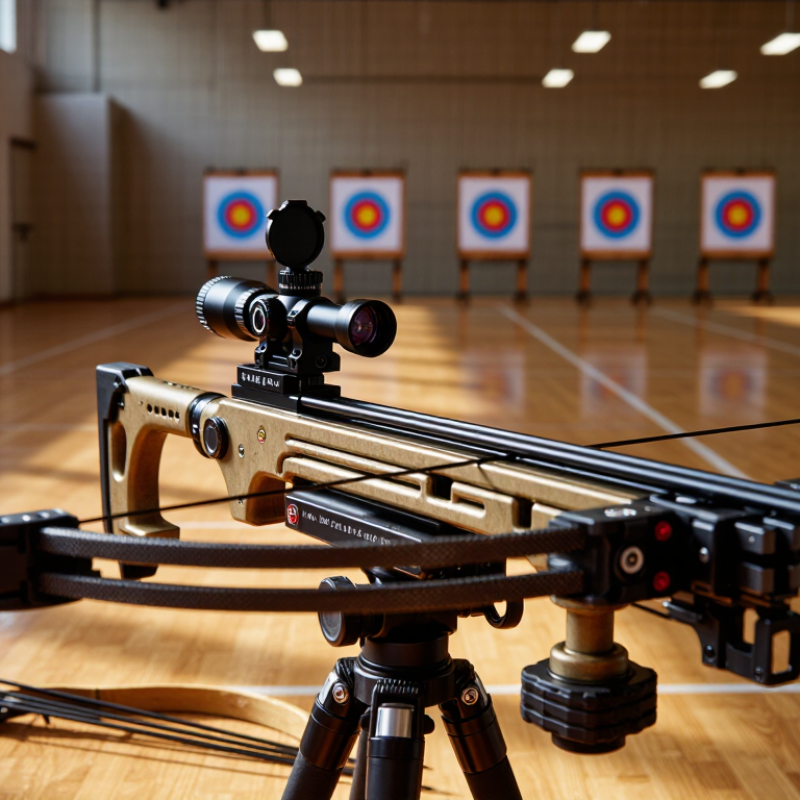
What Is an Archery Range Sight Used For?

Definition and Primary Aiming Function of an Archery Bow Sight

An archery bow sight gives the archer a clear reference for aiming. It helps align the bow with the intended point on the target. A typical sight uses a pin or ring that the archer places over the target while maintaining a steady anchor and bow position. It does not aim the bow by itself. Consistent form still matters.

The numbers offer useful context. World Archery’s Target Archery rules specify a 70-metre distance and a 122-centimetre target face for senior recurve rounds. These competition standards show how small alignment errors can matter at distance. A sight can be adjusted for distance, but it cannot correct a rushed release or an uneven anchor. That part is easy to overlook.

Tips: Set the sight while shooting at a known distance. Keep your anchor consistent, then adjust in small steps. Watch where several arrows land, not just one. Wind and fatigue can still shift your group. A little frustrating, but normal.

How Sight Pins and Peep Alignment Help Place the Arrow

A bow sight gives the archer a repeatable reference for aiming. Its sight pins mark chosen distances, so the correct pin can be placed on the target before release. A pin does not steer the arrow; it helps the archer account for how the arrow’s path changes with distance. Small adjustments matter. At close range, even a slight change in pin position can shift where an arrow lands.

The peep sight is a small opening in the bowstring. At full draw, the archer looks through it and centers the sight housing in the opening. That simple alignment helps the eye return to a similar position from shot to shot. Look through, then settle. The pin should appear steady on the intended point, though a little movement is normal. Sight pins and peep alignment work together, but they cannot correct inconsistent form, a rushed release, or changing light. It is tempting to blame a pin after a poor shot; sometimes the anchor point or alignment was different. The setup is useful, not magic. Check alignment at a safe practice range, and make adjustments gradually.

Setting Sight Marks for World Archery’s 70 m Recurve Distance

An archery range sight helps a recurve archer aim consistently by showing where to position the sight aperture for a chosen distance. For World Archery’s outdoor 70 m recurve distance, the sight mark is personal, not a universal number. Bow setup, arrow weight, draw length, and shooting form all affect where the arrows land.

Set the mark on a calm, measured 70 m range, using the same anchor and release you use in competition. Shoot several ends, then judge the centre of each group rather than reacting to one stray arrow. If the group sits low, move the sight toward the group and confirm the result with another end. Record the elevation setting, date, and conditions; a small notebook can prevent guesswork later. Wind can shift groups sideways, so keep windage notes separate. A mark that works indoors or at a shorter distance may not transfer neatly. It takes patience.

Tips: Check that the distance is measured correctly and the sight scale is readable. Make small adjustments, then shoot again. Don’t chase every arrow.

What Is an Archery Range Sight Used For?

70 m Recurve: Apparent Size of a 122 cm Target Face

A sight provides an archer with a repeatable aiming reference. Archers set and record their own sight marks for each distance because the settings depend on the bow, arrows, and shooting conditions. This chart shows how a standard 122 cm target face appears smaller as distance increases; it does not prescribe sight settings. Angular diameters are calculated from the target-face width and distance.

Comparing Sight Setups for 50 m Compound and 70 m Recurve

At 50 m compound, the sight is built for fine, repeatable adjustments. Many setups use a magnified scope, a peep sight, and a calibrated elevation scale. World Archery’s rulebook specifies an 80 cm, six-zone target face for this event. At 70 m, recurve archers aim at a 122 cm face and commonly use a non-magnifying aperture sight on an extension bar. The equipment differs, but both setups need stable alignment.

The target sizes are closer than they look. Using World Archery’s official face dimensions, 80 cm at 50 m spans about 0.92 degrees; 122 cm at 70 m spans about 1 degree. The inner scoring rings are also similar in apparent size: roughly 0.09 degrees for compound and 0.10 degrees for recurve. Tiny aiming errors matter. Wind can shift the arrow, too.

Compound shooters often set sight marks for distance and refine them in small increments. Recurve archers adjust elevation and windage while keeping the sight picture simple. Check that the sight scale matches the actual range; a neat number is not proof. A gust can make yesterday’s mark unreliable. World Archery Rulebook, Book 2, covers the target and equipment specifications. There is room for judgment: individual bow tune and release consistency still affect the result.

Calibrating a Sight for Different Distances and Shooting Conditions

An archery range sight gives you a repeatable aiming reference at known distances. Its pins or marks help you account for how an arrow’s path changes as the target moves farther away. A sight cannot replace consistent form. It only works well when your anchor point and release stay steady.

Calibrate from a close, measured distance, such as 10 yards, and shoot several arrows at the same aiming point. Adjust the sight based on the group, not one stray arrow. For many adjustable sights, move the pin toward the group. Then step back in measured increments and record each setting. A notebook is useful; memory gets fuzzy.

Wind can push arrows off line, while changing light can make a pin harder to see. Recheck your marks when conditions shift, but avoid changing several settings at once. One uneven group can tempt you to overcorrect.

Tips: Keep your stance and anchor consistent while testing. Mark distance and conditions beside each sight setting. If groups spread widely, pause and check form before moving the sight again. That step is easy to skip.

FAQS

What does a bow sight pin do?

It gives you a repeatable aiming point for a chosen distance. It does not steer the arrow.

How does a peep sight help with alignment?

At full draw, look through the small opening and center the sight housing. This helps your eye return to a similar position.

Is a little pin movement normal?

Yes. A slight wobble can happen, even when your alignment is steady.

Why might an arrow miss despite using the correct pin?

Form, anchor position, release, and changing light can affect the shot. I may blame the pin too quickly.

How do common 50 m compound and 70 m recurve setups differ?

Compound setups often use magnification and a calibrated elevation scale. Recurve setups commonly use a non-magnifying aperture sight.

Are the target faces very different in apparent size?

Not by much. An 80 cm face at 50 m spans about 0.92 degrees; a 122 cm face at 70 m spans about 1 degree.

Why should sight marks be checked at the actual range?

A tidy number on the scale may not match real conditions. Wind can shift an arrow, so yesterday’s mark may be unreliable.

How should sight adjustments be made?

Check alignment at a safe practice range and adjust in small steps. Bow setup and release consistency still matter. Not magic.

Conclusion

An Archery Range Sight helps an archer aim consistently by providing a clear reference between the eye, bow, and target. Sight pins or a movable aiming point indicate where to place the bow, while alignment through a peep helps center the view and reduce variation from shot to shot. The sight does not guide the arrow in flight; instead, it supports repeatable aiming based on the archer’s setup and practice.

Sight marks are calibrated for specific distances, including the 70 m distance used in World Archery recurve events. A 50 m compound setup may use different sight adjustments and aiming references. To calibrate for other distances or changing conditions, archers can make measured adjustments and record reliable marks, accounting for factors such as light, wind, and arrow trajectory. Consistent form and careful testing help make those settings useful and repeatable.

Madeline

Madeline

Madeline is a dedicated marketing professional with a wealth of expertise in our company's core offerings. With a keen understanding of the industry, she brings a unique perspective to her role, consistently delivering high-quality content that highlights the superior aspects of our products. As......